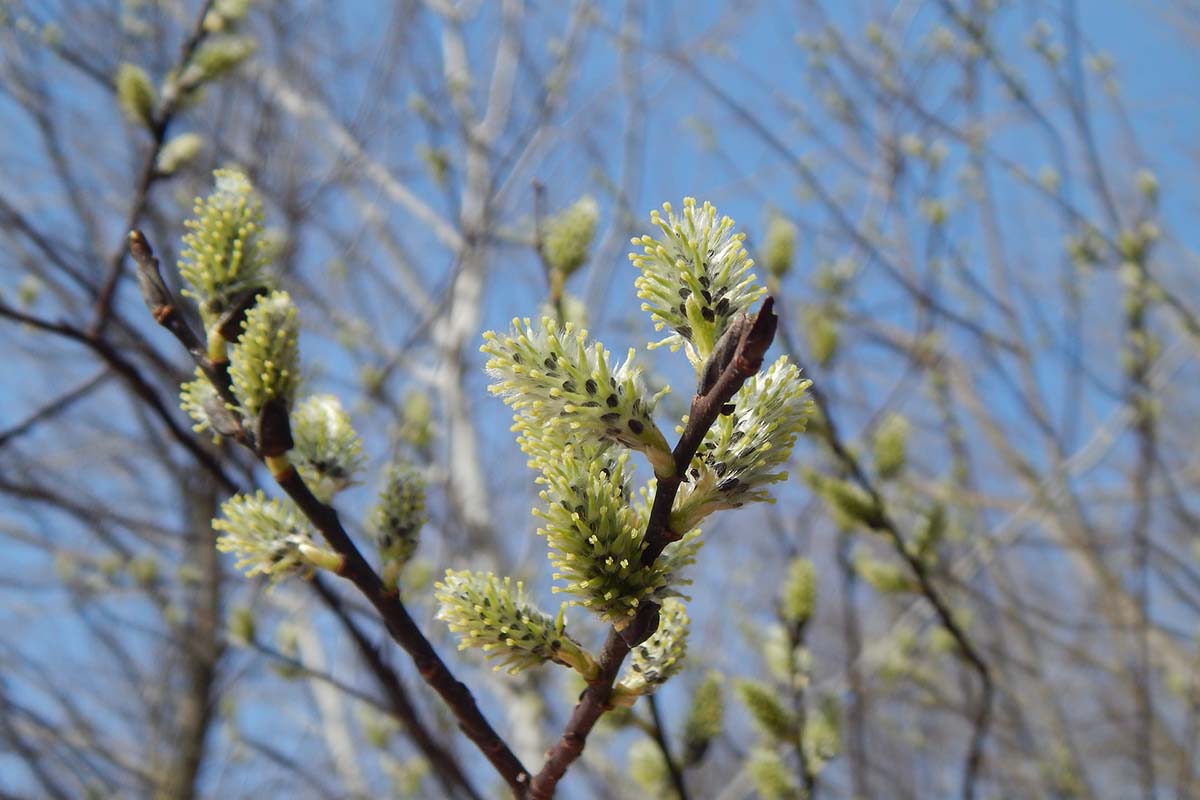
We want to emphasize that willows root very
easily! Nonetheless, we are providing some instructions
to ensure success.
The weather needs to be warming up (daffodils blooming),
before it is time to plant outdoors. So
please keep them in the fridge until that time. Our cuttings
have not been sprayed with anything, so they can be kept
in your vegetable crisper, in a loose plastic bag.
When you receive the cuttings:
The cuttings should be dealt with immediately. Your choices
include:
- put into the fridge in a loose plastic bag until ready
to plant
- This is only appropriate if the cuttings experienced
cool temperatures during transit.
- If the weather is hot they will be breaking dormancy
and will not do well if put back into cool temperatures.
These cuttings need to be planted immediately. You
may place in water for a day, but no longer, as the
sticks will start to grow roots, which are very brittle
and fragile. They will break off when pushed into
soil.
- plant in pots, for future planting into the landscape
- plant directly into the ground
To start cuttings in pots:
For best results, start the willow cuttings in one
gallon size pots until well rooted. The soil mix should
contain 50% sharp sand (builders sand). Rich soil mixes
are not necessary and sometimes cause the cuttings to rot.
Good drainage is essential. When growth starts, a light
application of organic fertilizer is recommended.
IMPORTANT: To plant simply push the pointed
end into the soil (buds pointing upwards), leaving two or
three buds visible. Firm the soil. Water. The soil
must not be allowed to dry out.
The cutting will initiate roots all along its length, wherever
it is in contact with the soil. Keep the pots evenly moist,
in light shade and out of the wind until established. The
soil must not be allowed to dry out.
The plants are ready to plant in the ground when the roots
hold the potting soil in place. To test this, turn the potted
plant upside down carefully separate the pot. If the soil/root
ball is firm with no chunks of soil wanting to fall off,
then it is ready to plant.
Before planting, soak the plant (in the pot) in a bucket
of water. Hold it under the surface of the water until air
bubbles stop rising to the surface. Now all the soil is
soaking wet.
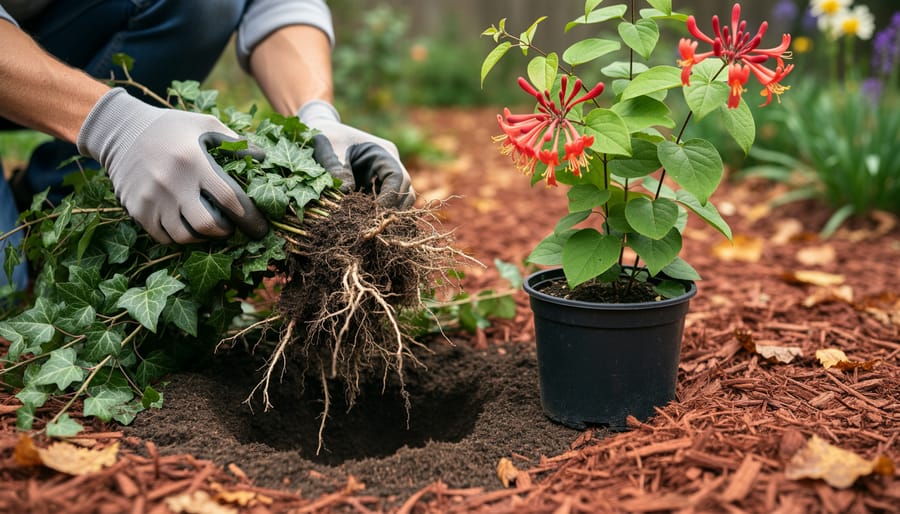
Dig your hole, put the plant in the ground, firm the soil
around it and water thoroughly. It must not be allowed to
dry out, particularly the first year.
To start cuttings directly in the ground:
Note: This is easy if you can keep the
soil moist.
Note: The soil should not be soaking wet
and remain that way for any length of time. This can result
in failure to grow, particularly if the weather is cool.
Prepare the planting area:
-
if you have clay soil:
- the cuttings may be kept too wet and therefore may
rot before roots can form. So dig holes of about 2"
in diameter and fill with sand. That allows the water
to drain away. Plant the cutting in the middle of
the hole. They should be happy in the clay soil, but
they need to grow roots first.
- no need to add compost to the planting hole, nor to
heavily amend the soil with organic materials. That would
keep the area immediately around the cutting too wet,
and in cool weather it may rot.
- the soil should be soft for ease of pushing the cutting
down into it, and to ensure that the bark of the cutting
is not damaged
- weeds need to be kept away from the cutting for the
entire first season. Grass is a weed. Use of a weed-suppressing
mulch or woven landscape cloth is recommended.
Timing of planting:
- the ground must not be frozen nor should it be very
cold (the cuttings may rot)
- plant when it "feels like spring is in the air"
IMPORTANT: To plant simply push the
pointed end into the soil (buds pointing upwards), leaving
two or three buds visible. Firm the soil around the cutting.
Water. The soil must not be allowed to dry out.
The cutting will initiate roots all along its length, wherever
it is in contact with the soil. The soil must not be allowed
to dry out.
|